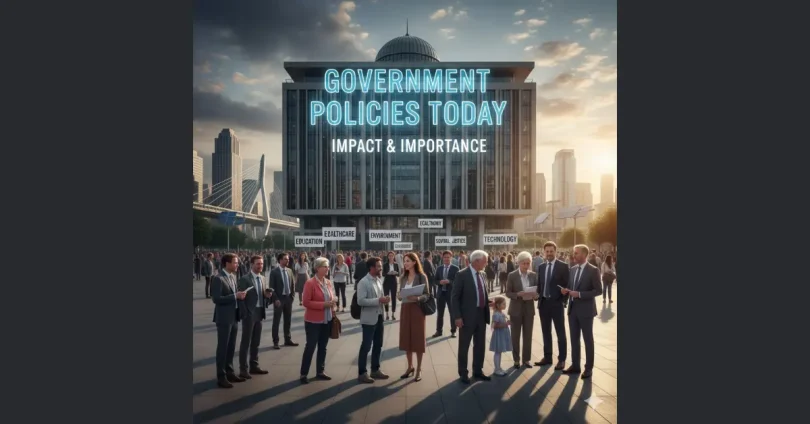

Government policies today play a crucial role in shaping our society, economy, and daily life. From education reforms to economic regulations, health guidelines, and environmental strategies, these policies affect everyone directly or indirectly. Understanding government policies is not just for policymakers or academics; it is essential for citizens who want to make informed decisions, participate in discussions, and hold leaders accountable.
In today’s fast-changing world, government policies must adapt to new challenges such as climate change, technological advancements, economic shifts, and public health crises. Whether it is the introduction of subsidies for renewable energy, tax reforms, social welfare programs, or labor laws, each policy can have a significant impact on society. Citizens need to be aware of these policies to understand how they influence personal finances, career opportunities, and community well-being.
This guide provides a comprehensive overview of government policies today. It explains what they are, why they are important, the benefits and risks they carry, and how citizens can engage with them effectively. By the end of this article, you will have a clear understanding of government policies, enabling you to be more informed, responsible, and proactive in your civic life.
What is Government Policies Today?
Government policies today are rules, laws, regulations, and programs established by the government to manage a country’s resources, economy, social issues, and public services. These policies can be short-term, such as emergency measures during a crisis, or long-term, like national economic plans or education reforms.
There are different types of government policies, including:
- Economic Policies: Focus on managing taxes, government spending, inflation, employment, and trade.
- Social Policies: Address issues like healthcare, education, housing, and social welfare.
- Environmental Policies: Aim to protect natural resources, reduce pollution, and manage climate change.
- Foreign Policies: Determine how a country interacts with other nations, including trade agreements and defense strategies.
Government policies are not static; they evolve based on public needs, political priorities, and global trends. Today, policies are more data-driven and citizen-focused, with an emphasis on transparency, accountability, and sustainable development.
Why is Government Policies Today Important?
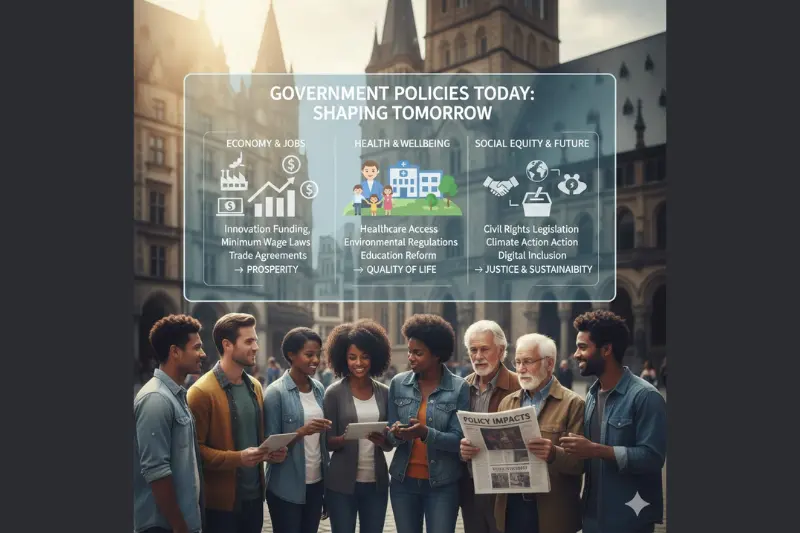
Government policies today are important because they provide structure, guidance, and solutions to societal challenges. They shape the economy, protect citizens’ rights, and ensure fair distribution of resources. Here’s why they matter:
- Promote Economic Stability: Policies related to taxation, trade, and investment create a stable economic environment for businesses and citizens.
- Ensure Social Welfare: Social programs provide education, healthcare, and safety nets for vulnerable populations.
- Protect the Environment: Environmental policies today tackle issues like climate change, pollution, and natural resource management.
- Enhance National Security: Policies regulate defense, intelligence, and emergency response systems to keep citizens safe.
- Encourage Innovation: Policies supporting research, technology, and entrepreneurship drive economic growth and societal development.
Without clear and effective government policies, societies can face economic instability, social inequality, and environmental degradation. Understanding these policies helps citizens participate in decision-making, advocate for change, and ensure accountability.
Detailed Step-by-Step Guide to Understanding Government Policies Today
Understanding government policies today requires careful analysis and proactive engagement. Here is a step-by-step guide:
Step 1: Identify Relevant Policies
- Determine the area that affects you most, such as taxes, healthcare, education, or environmental regulations.
- Use government websites, official publications, and news outlets to find updated policies.
- Take note of the policy’s objectives, scope, and implementation timeline.
Step 2: Analyze Policy Objectives
- Ask what problem the policy aims to solve.
- Consider who benefits and who might be affected adversely.
- Check if the policy aligns with national development goals or public interest.
Step 3: Understand the Legal Framework
- Policies often come with laws, rules, and guidelines.
- Review the legal provisions and requirements for compliance.
- Identify responsible government agencies overseeing the policy.
Step 4: Evaluate Policy Implementation
- Research how the policy is being applied in real life.
- Check for reports, case studies, or government audits.
- Look for public feedback and expert opinions to assess effectiveness.
Step 5: Monitor Policy Impact
- Observe how the policy affects your community, business, or personal life.
- Track economic indicators, social outcomes, or environmental metrics.
- Stay updated on policy revisions or amendments.
Step 6: Engage and Participate
- Attend public consultations or forums on policy matters.
- Share feedback with local representatives or government agencies.
- Advocate for changes if the policy does not meet its objectives or public needs.
Step 7: Stay Informed
- Subscribe to newsletters, government bulletins, or reliable news sources.
- Follow policy trends and global best practices.
- Educate friends and family to create a community aware of policies.
Benefits of Government Policies Today
Government policies today offer numerous benefits that improve society and individual lives. Some key benefits include:
- Economic Growth: Policies on trade, investment, and taxation stimulate business growth and create jobs.
- Social Protection: Health care, education, and welfare programs reduce inequality and improve quality of life.
- Environmental Conservation: Policies regulate pollution, promote renewable energy, and protect biodiversity.
- Public Safety: Safety regulations, emergency preparedness, and law enforcement policies keep citizens secure.
- Innovation & Technology Advancement: Policies encouraging research and innovation drive progress and competitiveness.
- Transparency & Accountability: Modern policies emphasize citizen participation and government accountability.
Example: Tax incentives for renewable energy companies can boost clean technology adoption, create jobs, and reduce carbon emissions simultaneously.
Disadvantages / Risks of Government Policies Today
Despite their benefits, government policies today also carry certain risks and disadvantages:
- Bureaucratic Delays: Policy implementation may be slow due to administrative inefficiencies.
- Unintended Consequences: Policies may create negative side effects if not carefully planned.
- Inequality: Some policies may favor certain groups over others, creating social tension.
- Resource Misallocation: Poorly designed policies may waste public funds.
- Resistance to Change: Policies requiring behavioral change may face public resistance.
- Overregulation: Excessive rules can stifle business growth and innovation.
Example: A sudden subsidy removal in agriculture could harm farmers if not accompanied by alternative support measures.
Common Mistakes to Avoid
When understanding or engaging with government policies today, avoid these common mistakes:
- Ignoring the Policy Details: Failing to read the objectives, rules, and scope can lead to misunderstandings.
- Relying on Misinformation: Not all media reports are accurate; verify information with official sources.
- Overlooking Implementation: A policy’s effectiveness depends on execution, not just its announcement.
- Assuming Policies are Permanent: Policies evolve; staying updated is essential.
- Neglecting Citizen Participation: Engagement through feedback, discussions, and advocacy is crucial.
- Confusing Policy Types: Economic, social, and environmental policies have different goals and impacts.
FAQs
1. What are government policies today?
Government policies today are rules, laws, and programs designed to regulate social, economic, and environmental issues. They guide the functioning of society and address public needs.
2. Why should citizens understand government policies?
Understanding policies helps citizens make informed decisions, participate in civic discussions, and hold governments accountable for public welfare.
3. How are government policies developed?
Policies are developed through research, consultation with experts, public feedback, and analysis of national priorities. They may be enacted as laws or regulations.
4. Can government policies change frequently?
Yes, policies can change based on economic conditions, social needs, technological advancements, and political decisions.
5. What is the difference between a policy and a law?
A policy is a guiding principle or plan, while a law is a formal rule enforceable by the government. Policies often inform the creation of laws.
6. How can citizens engage with government policies?
Citizens can participate in public consultations, provide feedback, join advocacy groups, follow news updates, and communicate with local representatives.
7. Are all government policies beneficial?
Not necessarily. While most policies aim to improve society, some may have unintended consequences or favor certain groups, requiring careful evaluation.
8. How do government policies impact daily life?
Policies influence taxes, healthcare access, education, employment opportunities, environmental protection, and social welfare, affecting almost every aspect of daily life.
9. What role do experts play in policy-making?
Experts provide research, data analysis, and technical advice, ensuring policies are evidence-based, practical, and effective.
10. Can understanding policies lead to personal advantage?
Yes. Knowing policies can help citizens make better financial, educational, and career decisions, and access government benefits effectively.
Expert Tips & Bonus Points
- Stay Updated: Regularly check official government websites and bulletins.
- Participate Locally: Engage with municipal and local policy initiatives; local policies impact daily life significantly.
- Educate Others: Sharing knowledge about policies strengthens community awareness.
- Use Policy Analysis Tools: Tools like policy briefs, data dashboards, and reports can simplify complex policies.
- Question and Provide Feedback: Constructive criticism and suggestions help improve policies.
- Combine Knowledge with Action: Apply understanding in personal, professional, and civic contexts for maximum benefit.
Bonus Tip: Track global best practices to understand how other countries solve similar problems. This knowledge can help citizens advocate for better local policies.
Conclusion
Government policies today are more than just rules or laws—they are the foundation of a stable, fair, and progressive society. They influence the economy, social systems, environmental sustainability, and national security. Understanding these policies is essential for citizens who want to make informed choices, participate in governance, and ensure accountability.
While government policies bring numerous benefits such as economic growth, social welfare, and environmental protection, they also carry risks like bureaucracy, inequality, or unintended consequences. Being informed, actively engaged, and critically analytical can help citizens navigate these challenges effectively.