
Introduction
Weather plays a crucial role in our daily lives, affecting everything from our travel plans to agricultural activities. In Pakistan, a country known for its diverse landscapes and climates, understanding the weather is even more important. From the scorching heat of Sindh to the chilly mountains of Gilgit-Baltistan, Pakistan experiences a wide range of weather patterns throughout the year. A reliable Pakistan weather forecast helps citizens prepare for these changing conditions, ensuring safety, productivity, and comfort.
Every year, Pakistan faces extreme weather events, including heatwaves, monsoon rains, floods, and occasional snowstorms. Having timely weather information allows people to make informed decisions, whether it’s farmers deciding the best time to sow crops or travelers planning safe journeys. With technological advancements, accessing weather forecasts has become easier than ever. Mobile apps, websites, and news channels provide updated forecasts that help citizens stay ahead of sudden changes in temperature, rainfall, or storm conditions.
In this article, we will explore everything you need to know about Pakistan weather forecast, why it matters, how it is determined, and tips to make the most of this information. By the end of this guide, you will understand how to interpret weather reports and apply them effectively in your daily life.
What is Pakistan Weather Forecast?
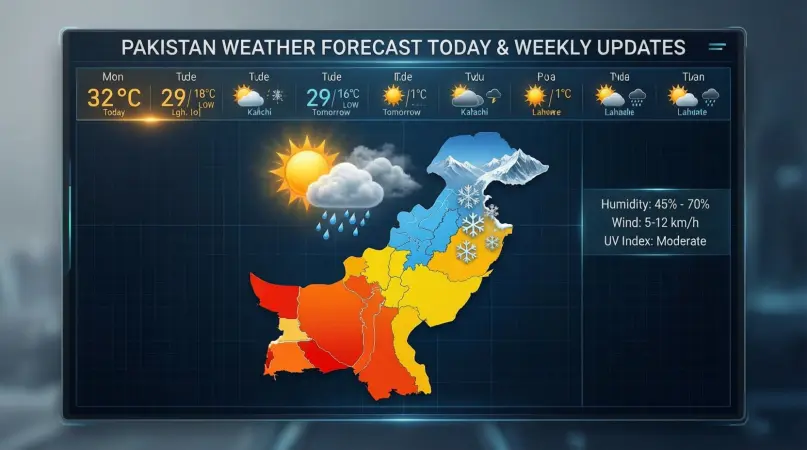
A Pakistan weather forecast is a prediction of atmospheric conditions in different regions of Pakistan over a specific period, ranging from a few hours to several days. These forecasts are prepared using advanced meteorological tools, satellite imagery, weather stations, and computer models.
Pakistan has varied climatic zones, including arid deserts, fertile plains, coastal areas, and high mountain ranges. This diversity makes weather forecasting both challenging and essential. A forecast typically includes:
- Temperature (highs and lows)
- Humidity levels
- Rainfall chances
- Wind speed and direction
- Special alerts for extreme weather events like storms or heatwaves
Meteorologists collect data from multiple sources to provide accurate forecasts. This information is then communicated to the public via news outlets, websites, and mobile applications. By monitoring patterns like pressure changes, cloud formations, and wind movements, experts predict weather conditions hours or days in advance.
For example, a forecast may indicate that Lahore will experience sunny weather with temperatures ranging from 20°C to 35°C, while Karachi may have cloudy skies with a chance of light rain. Such predictions allow individuals, businesses, and authorities to take precautionary measures and plan accordingly.
Why is Pakistan Weather Forecast Important?
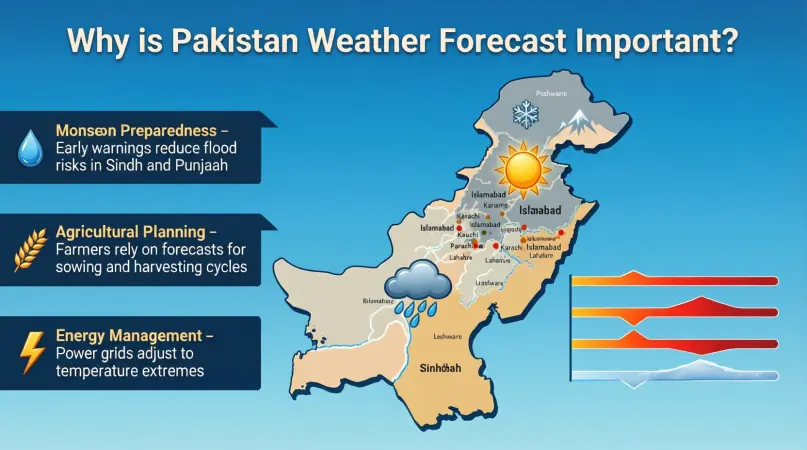
Understanding the Pakistan weather forecast is critical for several reasons:
- Safety and Disaster Preparedness
Weather forecasts alert people about potential hazards like floods, storms, or extreme heat. Timely warnings can save lives and reduce property damage. - Agriculture Planning
Farmers rely on accurate forecasts to schedule planting, irrigation, and harvesting. Rainfall predictions, in particular, are crucial for crop management. - Travel and Transportation
Weather affects road, air, and sea travel. Knowing the forecast helps travelers avoid dangerous conditions, delays, and accidents. - Health Considerations
Extreme weather conditions, such as heatwaves or cold snaps, can impact health. Forecasts help people take preventive measures like staying hydrated or wearing appropriate clothing. - Event Planning
From weddings to outdoor sports, understanding the weather ensures that plans go smoothly without unexpected interruptions. - Energy and Utility Management
Weather affects electricity demand and water supply. Forecasts help utility companies prepare for spikes in consumption during hot or cold periods. - Business and Commerce
Businesses, especially in retail and logistics, can optimize operations based on predicted weather conditions, ensuring efficiency and customer satisfaction.
By using a reliable Pakistan weather forecast, people can minimize risks, save resources, and make informed decisions in both personal and professional aspects of life.
Detailed Step-by-Step Guide to Using Pakistan Weather Forecast
Understanding and applying a weather forecast effectively requires some basic knowledge. Here’s a detailed step-by-step guide:
Step 1: Access Reliable Sources
- Use official websites like the Pakistan Meteorological Department (PMD).
- Download trusted mobile weather apps for real-time updates.
- Follow local news channels for regional alerts.
Step 2: Identify Your Region
- Pakistan has diverse climates across provinces: Punjab, Sindh, Balochistan, Khyber Pakhtunkhwa, and Gilgit-Baltistan.
- Choose forecasts specific to your city or town for accuracy.
Step 3: Check the Temperature Range
- Note the expected highs and lows for the day.
- Consider how these temperatures affect outdoor activities or work schedules.
Step 4: Observe Precipitation Predictions
- Look for rain or snow probabilities.
- Pay attention to monsoon forecasts between July and September, especially in Sindh and Punjab.
Step 5: Review Wind and Humidity Levels
- Wind speed affects air travel, maritime activities, and construction work.
- High humidity can make heat feel more intense and affect health.
Step 6: Monitor Weather Alerts
- Severe weather warnings like dust storms, flash floods, or cyclones are critical.
- Take precautionary measures immediately if alerts are issued.
Step 7: Plan Accordingly
- Schedule work, travel, and social activities based on the forecast.
- Keep emergency supplies ready in case of unexpected extreme weather.
Step 8: Update Regularly
- Weather can change quickly.
- Check forecasts multiple times daily during critical seasons like monsoon or winter snowstorms.
By following these steps, you can use a Pakistan weather forecast to protect yourself, optimize your day, and avoid surprises.
Benefits of Pakistan Weather Forecast
Using weather forecasts in Pakistan offers multiple advantages:
- Enhanced Safety: Alerts for floods, storms, and heatwaves reduce risk.
- Better Agricultural Planning: Farmers make timely decisions for irrigation and harvesting.
- Efficient Travel: Avoid traffic delays and accidents caused by bad weather.
- Health Management: Prepare for extreme temperatures and weather-related illnesses.
- Event Optimization: Schedule outdoor activities with confidence.
- Resource Management: Plan electricity, water, and other utilities efficiently.
- Business Productivity: Logistics and operations run smoothly by anticipating weather conditions.
Disadvantages / Risks
While weather forecasts are highly beneficial, there are certain limitations:
- Accuracy Limits: Forecasts may not always predict sudden weather changes.
- Regional Variability: Local conditions may differ slightly from generalized forecasts.
- Over-Reliance: Blind dependence on forecasts may lead to unpreparedness in case of unexpected changes.
- Technical Errors: Satellite and computer model errors can affect predictions.
- Delayed Updates: Some areas may not receive real-time updates, especially rural regions.
Common Mistakes to Avoid
- Ignoring updates during extreme weather events.
- Relying on outdated forecasts or unofficial sources.
- Assuming the forecast is 100% accurate for long-term predictions.
- Neglecting local microclimate differences, especially in hilly or coastal areas.
- Not taking preventive measures despite severe weather warnings.
FAQs
1. How accurate is the Pakistan weather forecast?
Forecasts are generally reliable for 1–3 days. Accuracy decreases for long-term predictions beyond 7–10 days due to changing atmospheric conditions.
2. Which is the best source for Pakistan weather updates?
The Pakistan Meteorological Department (PMD) is the official source. Reputable weather apps and news channels also provide reliable updates.
3. How often should I check the forecast?
During normal conditions, once a day is enough. During monsoon, heatwaves, or storms, check multiple times a day for updates.
4. Does weather forecasting help farmers?
Yes, farmers rely heavily on rainfall predictions, temperature, and frost warnings to protect crops and plan irrigation.
5. Can the forecast predict floods in Pakistan?
Yes, flood alerts are part of weather predictions, especially during the monsoon season in Punjab and Sindh.
6. How does climate change affect forecasts?
Climate change leads to more unpredictable weather, including heatwaves, unusual rainfall, and stronger storms, making forecasting more challenging.
7. Are weather apps more accurate than news channels?
Not necessarily. Accuracy depends on the data source. Apps using PMD data can be as accurate as official news updates.
8. What should I do during extreme weather warnings?
Follow official advice, stay indoors if necessary, keep emergency kits ready, and avoid travel unless essential.
Expert Tips & Bonus Points
- Use Multiple Sources: Cross-check forecasts from PMD, apps, and local news for better reliability.
- Track Microclimates: Cities like Islamabad, Karachi, and Quetta have unique weather patterns; watch local updates closely.
- Prepare Seasonally: Keep fans, air coolers, or heaters ready depending on the season.
- Stay Hydrated: During heatwaves, drink plenty of water and avoid direct sun exposure.
- Monitor Social Media Alerts: PMD and local authorities often post immediate weather updates online.
- Use Technology: Set up weather notifications on your smartphone to receive real-time alerts.
- Observe Nature: Sometimes, clouds, wind direction, and temperature changes can indicate imminent weather, complementing official forecasts.
- Plan Trips Wisely: Avoid traveling during forecasted heavy rains, dust storms, or snowstorms.
Conclusion
A reliable Pakistan weather forecast is an essential tool for daily life in Pakistan, given the country’s diverse and often unpredictable climate. From farmers planning their crops to urban dwellers scheduling their daily routines, accurate weather information helps everyone make informed decisions. While forecasts are not perfect, staying updated and taking precautionary measures significantly reduces risks associated with extreme weather.
By understanding temperature trends, rainfall predictions, wind patterns, and severe weather alerts, you can plan effectively, protect yourself and your family, and even optimize work or business operations. Remember to check forecasts regularly, use multiple sources for accuracy, and act promptly on severe weather warnings.