
Introduction
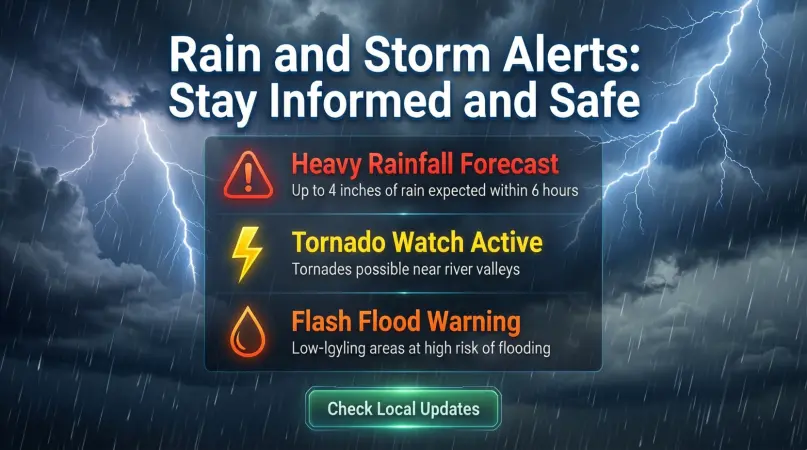
Weather is unpredictable, and extreme conditions like heavy rain, thunderstorms, or storms can disrupt daily life and even pose serious risks. Staying informed about weather changes is crucial to protect yourself, your family, and your property. This is where rain and storm alerts play a vital role. By receiving timely updates, you can make informed decisions, plan your day, and reduce the risks associated with sudden weather events.
Rain and storm alerts are issued by meteorological departments and weather services worldwide. They provide information on expected rainfall, storm intensity, wind speed, and potential hazards like flooding or lightning. These alerts can be received through mobile apps, SMS, radio, television, and online platforms. With modern technology, notifications are faster and more accurate than ever.
In addition to safety, these alerts help individuals, businesses, and local authorities take preventive measures. For instance, construction projects can be paused, farmers can protect crops, and drivers can avoid risky routes during severe storms. Understanding how to interpret these alerts, what actions to take, and the advantages of following them can significantly improve safety and preparedness during unpredictable weather.
In this article, we will explore everything you need to know about rain and storm alerts, their importance, step-by-step guidelines, benefits, risks, common mistakes, expert tips, and frequently asked questions. Whether you are a beginner or someone familiar with weather warnings, this guide will help you stay safe and prepared.
What is Rain and Storm Alerts?
Rain and storm alerts are official warnings issued by weather forecasting authorities when severe weather conditions are expected. They inform the public about potential heavy rainfall, thunderstorms, hurricanes, or cyclones in a specific area. The main goal of these alerts is to help people take precautionary measures and minimize damage.
These alerts typically include:
- Expected rainfall amount and intensity
- Duration of rainfall or storm
- Wind speeds and direction
- Possible flooding zones
- Safety precautions and evacuation instructions
Alerts are categorized based on severity. Common types include:
- Watch: Conditions are favorable for severe weather, but it is not yet occurring.
- Advisory: Dangerous weather is likely, and people should prepare.
- Warning: Severe weather is imminent or already happening; immediate action is necessary.
Rain and storm alerts are communicated via multiple channels:
- Mobile notifications and weather apps
- Television and radio broadcasts
- Government websites and social media
- Community loudspeakers in rural areas
By understanding these alerts, people can act quickly to protect themselves and reduce the impact of adverse weather.
Why is Rain and Storm Alerts Important?
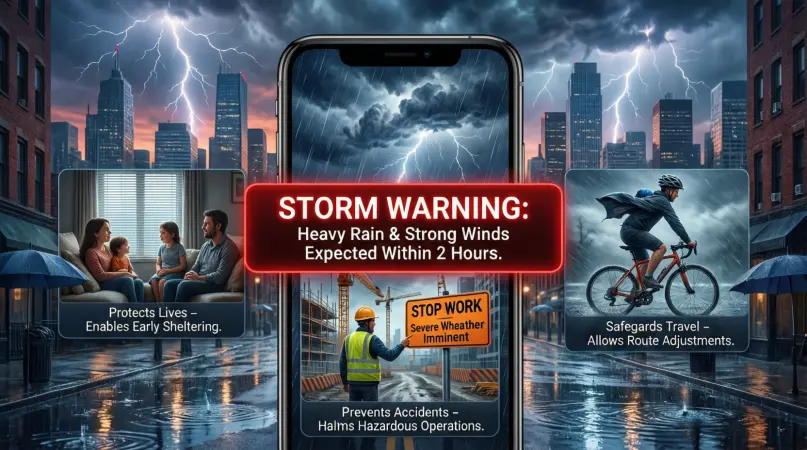
Rain and storm alerts are not just routine weather updates—they can save lives. Here’s why they are important:
- Personal Safety: Alerts inform you about dangerous conditions, allowing you to avoid outdoor activities during storms or heavy rainfall.
- Property Protection: Early warnings give homeowners time to secure their homes, vehicles, and belongings against damage from floods or strong winds.
- Traffic Management: Alerts help drivers avoid flooded areas, landslides, or accidents caused by slippery roads.
- Disaster Preparedness: Local authorities can deploy emergency services and prepare evacuation centers in advance.
- Economic Benefits: Farmers and businesses can minimize losses by taking timely protective measures.
- Community Awareness: Alerts keep communities informed and coordinated, reducing panic and confusion.
Ignoring these alerts can lead to severe consequences, including injuries, property damage, or even fatalities. Therefore, understanding and responding to rain and storm alerts is essential for everyone, whether living in urban or rural areas.
Detailed Step-by-Step Guide
Step 1: Know the Sources of Alerts
To stay informed, it’s crucial to identify reliable sources. These include:
- National Meteorological Departments
- Weather apps like AccuWeather, Weather.com, and local apps
- SMS alerts from government agencies
- Local news channels and radio stations
Choose multiple sources for better accuracy and coverage.
Step 2: Understand Alert Categories
Alerts are usually color-coded or labeled:
- Yellow/Watch: Be alert; conditions may worsen.
- Orange/Advisory: Prepare; take necessary precautions.
- Red/Warning: Act immediately; severe weather is occurring.
Step 3: Set Up Notifications
Modern technology allows instant updates. Steps to set up alerts:
- Download a trusted weather app.
- Enable location services for accurate local forecasts.
- Turn on push notifications for rain and storm warnings.
- Subscribe to SMS alerts from local authorities.
Step 4: Prepare an Emergency Kit
Having an emergency kit ready is essential. Include:
- Flashlights and extra batteries
- Drinking water and non-perishable food
- First aid kit
- Portable chargers and power banks
- Important documents in waterproof bags
Step 5: Secure Property
Before heavy rainfall or storms:
- Close windows and doors
- Move vehicles to safe areas
- Secure outdoor furniture
- Check drainage systems to prevent flooding
Step 6: Stay Indoors During Alerts
Once a warning is issued:
- Avoid traveling unless necessary
- Stay away from rivers, lakes, or coastal areas
- Unplug electronic devices to prevent damage from lightning
- Follow updates from official sources
Step 7: Follow Post-Storm Safety Measures
After the storm:
- Avoid flooded areas
- Check for structural damage before entering buildings
- Report fallen trees, broken power lines, or hazards to authorities
- Help neighbors, especially the elderly or disabled
Benefits of Rain and Storm Alerts
Receiving rain and storm alerts offers numerous advantages:
- Early Warning: Gives time to prepare for severe weather.
- Reduced Risk of Injury: Helps people avoid dangerous outdoor conditions.
- Property Protection: Minimizes damage to homes, vehicles, and businesses.
- Better Planning: Farmers, travelers, and businesses can adjust schedules.
- Community Safety: Ensures everyone is informed and coordinated.
- Cost Savings: Prevents economic losses due to weather-related damage.
Disadvantages / Risks
While alerts are highly beneficial, there are some drawbacks:
- False Alarms: Sometimes alerts may predict events that do not occur, causing unnecessary panic.
- Overdependence: Relying solely on alerts may reduce personal observation skills.
- Accessibility Issues: People without smartphones or internet may miss critical warnings.
- Technical Glitches: App errors or server downtime can delay notifications.
- Information Overload: Frequent alerts can cause fatigue and reduce attention to warnings.
Despite these risks, using alerts responsibly and combining them with common-sense precautions ensures maximum safety.
Common Mistakes to Avoid
Many people make errors when responding to rain and storm alerts. Avoid these:
- Ignoring Warnings: Treat every alert seriously, even if past false alarms occurred.
- Delaying Action: Waiting until the storm hits can be dangerous.
- Relying on a Single Source: Cross-check alerts from multiple sources.
- Not Preparing an Emergency Kit: Always have essentials ready in advance.
- Traveling During Storms: Avoid unnecessary trips during severe weather.
- Failing to Secure Property: Loose items and open windows can worsen damage.
FAQs
1. How are rain and storm alerts issued?
Alerts are generated using weather data, satellite imagery, radar, and predictive models. Meteorological departments analyze these inputs and classify alerts based on severity.
2. Can I rely on mobile apps for storm warnings?
Yes, trusted weather apps are reliable. However, always cross-check with official government alerts for accuracy.
3. What should I do if a storm warning is issued while I am outside?
Seek immediate shelter in a safe, enclosed building. Avoid open fields, rivers, and vehicles during heavy storms.
4. How often are alerts updated?
Updates vary depending on storm intensity. Generally, alerts are updated every 15–60 minutes for severe conditions.
5. Are alerts the same everywhere?
No, alert systems and categories may differ by country. Always familiarize yourself with local alert protocols.
6. Can alerts prevent damage?
Alerts themselves do not prevent damage, but they give people time to take preventive measures, which significantly reduces risks.
7. Should I evacuate during a storm warning?
Follow instructions from local authorities. Evacuation is recommended if an area is prone to flooding, landslides, or severe storm damage.
8. Do storms always follow the forecast?
Not always. Weather is unpredictable, and forecasts may change. That’s why continuous monitoring is essential.
Expert Tips & Bonus Points
- Stay Updated: Check weather forecasts daily, especially during monsoon or storm seasons.
- Use Multiple Sources: Combine apps, SMS alerts, and TV/radio updates for accuracy.
- Community Coordination: Inform neighbors and community members about upcoming alerts.
- Practice Drills: Conduct emergency drills at home to ensure everyone knows what to do.
- Flood Preparedness: Keep sandbags or barriers ready if living in flood-prone areas.
- Vehicle Safety: Never drive through flooded streets; turn back to avoid accidents.
- Backup Power: Keep power banks and alternative lighting for electricity outages.
- Record Important Contacts: Store emergency numbers for local authorities, hospitals, and utilities.
Bonus Tip: Keep a small notebook with weather patterns you observe in your area. Over time, this helps anticipate local weather trends better
Conclusion
Rain and storm alerts are essential tools for staying safe during extreme weather. They provide early warnings, reduce risks, and help communities prepare effectively. By understanding the types of alerts, setting up notifications, securing property, and following expert tips, you can minimize the impact of storms and heavy rainfall.
Ignoring these alerts can lead to severe consequences, but being proactive ensures personal safety, protects property, and even saves lives. From preparing emergency kits to monitoring multiple sources and following official guidelines, there are many practical steps anyone can take to stay safe.