

Introduction
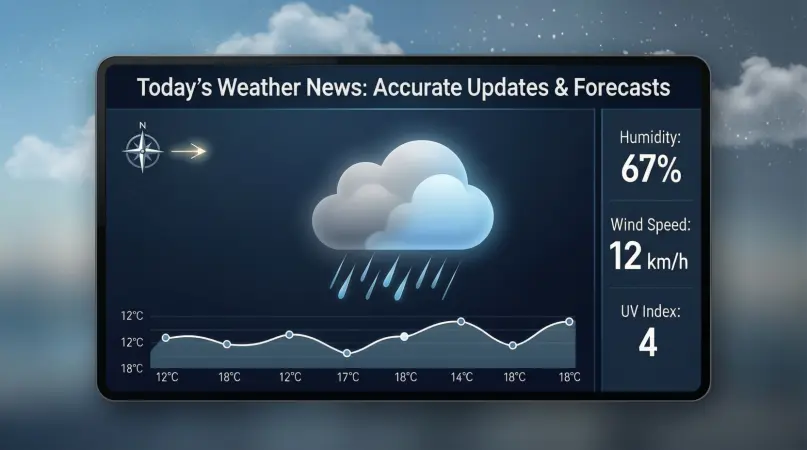
Weather affects our daily lives in more ways than we often realize. From deciding what to wear in the morning to planning outdoor events, having accurate weather information is crucial. Today’s weather news provides real-time updates, forecasts, and warnings that help people make informed decisions. With climate patterns changing rapidly, staying informed about the weather is no longer optional—it’s a necessity.
Every day, millions of people rely on weather news to plan their commute, outdoor activities, or even their agricultural practices. Modern weather forecasting has advanced significantly, using satellites, radar, and computer models to predict temperature, rainfall, humidity, wind speed, and severe weather conditions. Accurate weather updates help minimize risks during storms, heavy rainfall, heatwaves, or cold snaps.
In this article, we will explore everything about today’s weather news, including why it is important, how it is reported, the benefits, risks, and practical tips for interpreting forecasts. Whether you are a beginner trying to understand weather reports or someone looking to make better daily decisions based on weather, this guide will be your complete resource. By the end, you will know exactly how to stay informed and prepared for any weather condition.
What is Today’s Weather News?
Today’s weather news refers to the latest updates and information regarding current weather conditions and short-term forecasts. It provides details about temperature, humidity, wind speed, precipitation, and possible extreme events like thunderstorms, cyclones, or heatwaves. Weather news is usually broadcasted via television, radio, newspapers, and online platforms.
Modern weather news relies on advanced technology such as:
- Satellites: Capturing cloud movement, rainfall, and storm patterns globally.
- Radar systems: Detecting precipitation and tracking storms in real-time.
- Weather stations: Measuring local temperature, humidity, wind, and pressure.
- Computer models: Predicting future conditions based on historical and real-time data.
Weather news is not just about forecasting; it also includes alerts for severe conditions, climate patterns, and environmental updates. This helps individuals, businesses, and government agencies prepare and respond appropriately to changing weather.
Why is Today’s Weather News Important?
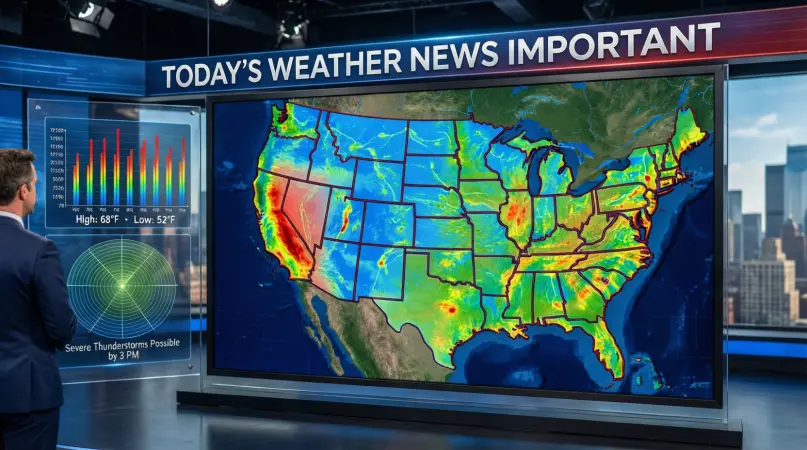
Understanding today’s weather news is essential for several reasons:
- Safety and Preparedness:
Severe weather events like storms, heavy rain, or heatwaves can be dangerous. Weather news helps people take precautions in advance. - Planning Daily Activities:
Knowing the forecast helps you decide whether to carry an umbrella, wear warm clothing, or reschedule outdoor events. - Agriculture and Farming:
Farmers rely heavily on accurate weather forecasts for planting, irrigation, and harvesting crops. - Travel and Transportation:
Pilots, drivers, and sailors need up-to-date weather news to avoid accidents caused by bad weather conditions. - Energy Management:
Weather impacts electricity demand. Hot or cold days increase energy consumption, and weather forecasts help energy providers plan efficiently. - Health Awareness:
Extreme temperatures, humidity, or air quality changes can affect health. Timely weather updates can help people take preventive measures.
In short, weather news keeps us informed, prepared, and safe. It influences personal decisions, business strategies, and emergency responses.
Detailed Step-by-Step Guide to Understanding Today’s Weather News
Step 1: Check the Current Conditions
Start by looking at the current temperature, humidity, wind speed, and precipitation. Most weather apps or news channels provide this data in real-time. Example: “Today’s temperature is 28°C, with 70% humidity and light showers expected.”
Step 2: Understand the Forecast
Short-term forecasts usually cover the next 24 hours, while extended forecasts cover 3–7 days. Look for:
- Temperature highs and lows
- Precipitation probability (rain, snow, or storms)
- Wind speed and direction
- Sunrise and sunset times
Step 3: Watch for Weather Warnings
Weather warnings indicate dangerous conditions. Examples include:
- Thunderstorm warnings – Take shelter indoors.
- Flood alerts – Avoid low-lying areas.
- Heatwave warnings – Stay hydrated and avoid direct sunlight.
Step 4: Learn Weather Symbols
Weather reports use symbols to quickly communicate conditions:
- Sun icon – Clear skies
- Cloud icon – Cloudy weather
- Raindrop – Rain expected
- Snowflake – Snowfall
- Lightning – Thunderstorms
Understanding these symbols helps interpret weather news quickly.
Step 5: Use Multiple Sources
For accuracy, consult:
- Official meteorological department websites
- Local news channels
- Weather apps
- Social media updates from verified sources
Step 6: Make a Daily Plan
Once you understand the forecast, plan your day accordingly:
- Dress appropriately
- Carry rain gear if needed
- Adjust travel schedules
- Avoid risky outdoor activities
Benefits of Today’s Weather News
- Safety: Reduces the risk of accidents during storms or extreme weather.
- Efficiency: Helps plan daily activities without interruptions.
- Health: Prevents weather-related illnesses.
- Agricultural Support: Ensures timely planting, harvesting, and irrigation.
- Energy Planning: Helps manage electricity usage.
- Travel Safety: Minimizes travel disruptions.
- Economic Benefits: Reduces losses caused by unpredicted weather conditions.
Disadvantages / Risks of Relying on Weather News
- Inaccuracy: Sometimes forecasts may be wrong due to unpredictable weather patterns.
- Over-dependence: Ignoring personal observation in favor of reports can cause issues.
- Panic during Severe Alerts: Frequent warnings may lead to unnecessary fear.
- Technical Issues: Weather apps or websites may fail to update in real-time.
- Local Variability: Weather can differ within short distances, making general forecasts less reliable.
Common Mistakes to Avoid
- Ignoring Warnings: Severe weather alerts are issued for a reason. Ignoring them can be dangerous.
- Relying on a Single Source: Always cross-check forecasts from multiple sources.
- Misinterpreting Symbols: Take time to understand weather icons and terminology.
- Assuming Forecasts are 100% Accurate: Forecasts are predictions, not guarantees.
- Ignoring Seasonal Patterns: Historical data can help predict weather trends more accurately.
- Skipping Updates: Weather conditions can change quickly; regular checks are essential.
FAQs About Today’s Weather News
1. How accurate is today’s weather news?
Modern technology has improved accuracy significantly, especially for short-term forecasts (24–48 hours). Extended forecasts may have higher margins of error.
2. How often should I check weather updates?
Checking 2–3 times daily is sufficient for most people. For travelers or those in extreme weather areas, real-time updates are recommended.
3. Can weather news predict natural disasters?
Yes, weather news can provide early warnings for storms, floods, cyclones, and heatwaves, allowing people to prepare in advance.
4. Are online weather apps reliable?
Most official apps provide reliable updates, but always verify through local meteorological departments, especially during extreme weather.
5. How do weather symbols help?
Weather symbols quickly communicate conditions like rain, snow, sun, or storms. Understanding them saves time and prevents misinterpretation.
6. Can weather news affect daily decisions?
Absolutely. From choosing what to wear to rescheduling events, weather news helps people make informed daily choices.
7. Why do forecasts sometimes fail?
Weather is highly complex, and sudden changes in temperature, wind patterns, or humidity can make forecasts inaccurate.
8. How can I interpret temperature differences?
Look at both maximum and minimum temperatures. Maximum indicates the warmest part of the day, while minimum shows the coldest.
Expert Tips & Bonus Points
- Always check the precipitation probability before leaving home.
- Use local weather stations for hyper-local updates.
- Pay attention to wind speed and direction, especially if planning outdoor activities.
- Keep an emergency kit ready during extreme weather alerts.
- Learn to read satellite and radar images for a better understanding of approaching storms.
- Keep a small notebook or app to track local weather trends over time. This helps predict future patterns more accurately.
- Follow weather experts on social media for instant updates and analysis.
Conclusion
Today’s weather news is more than just a daily report; it is an essential tool for safety, planning, and well-being. With accurate updates, you can make informed decisions, protect yourself from extreme weather, and enjoy outdoor activities without worry. By understanding weather reports, symbols, and alerts, anyone can become better prepared for changing conditions.
Weather impacts every part of life, from agriculture to commuting, energy usage, and health. Staying informed ensures fewer surprises, fewer risks, and more efficient planning. Modern technology has made real-time updates accessible through apps, websites, and news channels, giving everyone the power to respond to the weather proactively.
