
Introduction
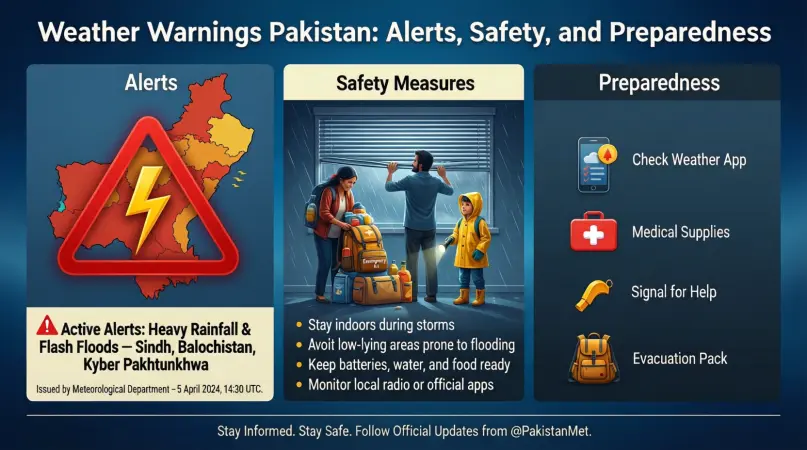
Weather warnings Pakistan play a very important role in daily life, safety planning, and national preparedness. Pakistan experiences many types of weather, including heatwaves, monsoon rains, floods, dust storms, and cold waves. Because of this variety, timely and accurate warnings help people protect their lives, homes, and livelihoods. From farmers and travelers to students and office workers, everyone depends on weather information in some way.
In recent years, climate change has made weather patterns more unpredictable. Sudden heavy rains, longer heat spells, and stronger storms are now more common. As a result, weather warnings Pakistan have become even more important than before. These warnings help people make smart decisions, such as delaying travel, securing property, or staying indoors during dangerous conditions.
For beginners, weather warnings may seem confusing or technical. However, they are actually designed to be simple and practical. Each warning gives clear information about what type of weather is coming, when it may happen, and how serious it could be. When people understand these messages, they can take early action and avoid unnecessary risks.
What is Weather Warnings Pakistan?
Weather warnings Pakistan are official alerts issued to inform the public about expected dangerous or unusual weather conditions. These warnings are usually shared by national and regional meteorological authorities through television, radio, mobile alerts, and online platforms.
A weather warning tells people about possible risks such as heavy rain, strong winds, extreme heat, fog, or thunderstorms. It also explains how severe the situation might be and how long it could last. The main goal is to give people enough time to prepare and reduce damage.
In Pakistan, weather warnings are especially important during the monsoon season and extreme summer heat. They help communities prepare for floods, landslides, and heat-related illnesses. These alerts are not meant to create fear but to encourage smart and calm action.
Weather warnings Pakistan are usually color-coded or categorized by severity. This system makes it easier for everyone to understand the level of risk and respond properly.
Why is Weather Warnings Pakistan Important?
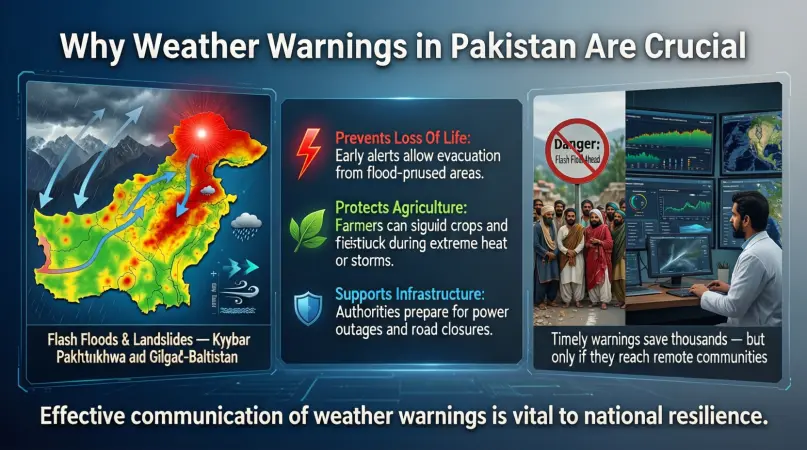
Weather warnings Pakistan are important because they save lives and reduce losses. When people know about dangerous weather in advance, they can take preventive steps. This includes staying indoors, moving to safer areas, or protecting crops and animals.
Another key reason is economic protection. Farmers rely on weather warnings to plan irrigation, harvesting, and storage. Businesses use them to manage logistics and employee safety. Even schools and offices adjust schedules based on weather alerts.
Weather warnings also help emergency services prepare better. Hospitals, rescue teams, and local authorities can arrange resources and staff before a disaster happens. This early preparation reduces chaos and speeds up response time.
Finally, weather warnings Pakistan build public awareness. Over time, people learn how weather affects their region and how to respond responsibly. This shared understanding creates stronger and safer communities.
Detailed Step-by-Step Guide
Step 1: Understanding Warning Types
Weather warnings Pakistan are issued for different weather events. Common types include heatwave alerts, heavy rain warnings, flood alerts, storm warnings, and fog advisories. Each type focuses on a specific risk.
Step 2: Checking the Severity Level
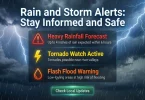
Warnings usually come with levels such as advisory, watch, or warning. An advisory means be aware. A watch means conditions are likely. A warning means dangerous weather is expected soon.
Step 3: Knowing the Affected Area
Every warning clearly mentions the regions or cities affected. This helps people understand whether the alert applies to their location or nearby areas.
Step 4: Understanding Timing and Duration
Weather warnings Pakistan include start and end times. This information helps people plan activities and avoid danger during peak risk hours.
Step 5: Following Safety Instructions
Most warnings include basic safety advice. For example, during heatwaves, people are advised to drink water and avoid direct sun. During storms, staying indoors is recommended.
Step 6: Staying Updated
Weather conditions can change quickly. Always check updates until the warning expires. Updated alerts may increase or reduce the level of risk.
Benefits of Weather Warnings Pakistan
- Help save lives by providing early alerts
- Reduce property and crop damage
- Support better travel and work planning
- Improve disaster preparedness
- Increase public awareness and education
- Help emergency services respond faster
Disadvantages / Risks
- Sometimes warnings may seem inaccurate
- Overuse can cause people to ignore alerts
- Misunderstanding warning levels can cause panic
- Limited access in remote areas
- Delayed communication during power outages
Common Mistakes to Avoid
Many people ignore weather warnings Pakistan because they feel previous alerts were harmless. This attitude can be dangerous. Another common mistake is relying on rumors instead of official sources.
Some people misunderstand the severity level and either overreact or underreact. Sharing unverified information on social media is also a serious mistake. Always follow official instructions and avoid spreading fear.
FAQs
What organization issues weather warnings Pakistan?
Weather warnings are issued by national meteorological authorities and related disaster management departments.
Are weather warnings always accurate?
Warnings are based on scientific data. While forecasts can change, they are the best available guidance for safety.
How often are warnings updated?
Warnings are updated as new data becomes available, sometimes several times a day during severe weather.
Do weather warnings apply to rural areas?
Yes, warnings cover both urban and rural areas, especially during floods and heatwaves.
What should I do during a severe warning?
Follow official advice, stay indoors if advised, and avoid unnecessary travel.
Can weather warnings help farmers?
Yes, farmers use weather warnings Pakistan to protect crops, livestock, and plan farming activities.
Expert Tips & Bonus Points
Always enable mobile alerts for weather updates. Learn common warning terms to react faster. Discuss safety plans with family members. Keep emergency supplies ready during high-risk seasons. Staying informed is the simplest way to stay safe.
Conclusion
Weather warnings Pakistan are a powerful tool for safety, awareness, and preparedness. They help people understand upcoming weather risks and take timely action. In a country with diverse climate conditions, these warnings protect lives, property, and the economy.
Understanding weather warnings does not require technical knowledge. With basic awareness, anyone can learn to read alerts, follow instructions, and avoid danger. As weather patterns become more extreme, paying attention to warnings becomes even more important.